Drain Cleaning in Gravesend, Brooklyn
Rapid motorized augering, heavy grease clearing, and complete drain line restoration for residential plumbing systems.
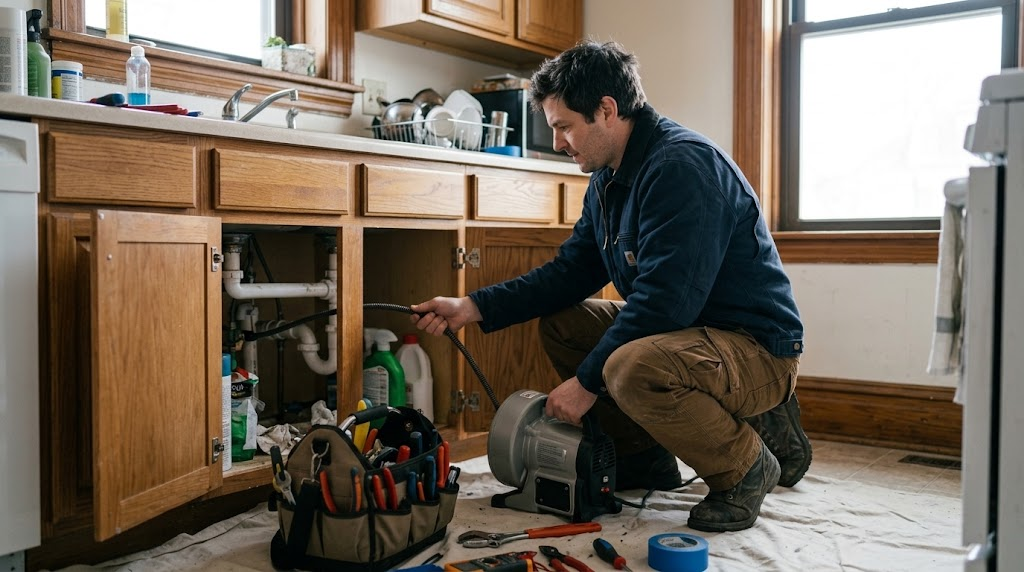
Effective Mechanical Drain Clearing Solutions
Slow drains and stubborn wastewater backups cause immediate disruption for Gravesend households. In multi-family brick rowhouses and detached single-family dwellings throughout Avenue U, Lake Street, and Village Road South, residential drain-waste-vent (DWV) piping endures daily accumulation of kitchen grease, food solids, hair, and soap scum.
When bathroom sinks drain sluggishly, shower basins pool water, or basement floor drains overflow during laundry cycles, retail chemical drain openers often exacerbate the damage. These caustic liquids generate severe exothermic reactions that warp plastic trap slip-joints and corrode historic cast iron stacks without eliminating the core obstruction.
Our drain cleaning specialists deploy commercial-grade motorized drain augers, flexible sectional cables with specialized root-cutting heads, and hydro-jetting equipment that clear blockages quickly and thoroughly. We restore full gravity drainage without damaging your pipes or plumbing fixtures.
Residential Drain Services We Provide
We provide tailored clearing solutions for every branch and main drainage pipe throughout your household:
- Kitchen Sink & Garbage Disposal Drains: Cutting through hardened congealed fats, cooking oils, coffee grounds, and food solids that coat the walls of 1.5-inch and 2-inch drain lines.
- Bathroom Showers, Tubs & Lavatories: Removing dense hair bundles and soap scum binds from pop-up assemblies, crosshairs, and P-traps.
- Main House Trap & Sewer Cleanouts: Clearing the primary 4-inch cast iron building trap and cleanout plugs that protect the residence from municipal sewer gases.
- Basement Floor Drains & Laundry Lines: Removing lint accumulations, silt, and laundry soap residue that cause basement floor flooding during washer discharge cycles.
- Diagnostic Camera Follow-Up: When clogs recur frequently, we perform an in-line camera check to verify whether a structural defect in the main sewer lateral is the underlying culprit.
| Equipment Type | Pipe Diameters | Target Obstruction | Ideal Application |
|---|---|---|---|
| Hand & Drop-Head Augers | 1.25" – 2.0" | Hair, soap curds, light food scraps | Bathroom sinks, bathtub traps, shower drains |
| Motorized Drum Cable Machines | 3.0" – 4.0" | Wipes, heavy paper, tree roots, dense sludge | Toilets, main building traps, basement floor drains |
| High-Pressure Hydro-Jetters | 2.0" – 6.0" | Hardened grease, scale, mineral lime buildup | Full-system lateral scrubbing, restaurant kitchen lines |
Frequently Asked Questions
Liquid chemical cleaners rely on caustic acids or lye that produce extreme chemical heat. This heat softens PVC slip joints, cracks toilet porcelain, and eats through the walls of aging cast iron or galvanized drainage pipes, resulting in hidden leaks behind walls.
Motorized snaking uses high-torque steel cables with specialized cutting heads to punch through tough blockages like hair clumps, wipes, or root bundles. Hydro-jetting uses high-pressure water streams (up to 4,000 PSI) to scour grease, soap film, and mineral scale completely off pipe walls.
In New York City, residential plumbing systems feature a large U-shaped cast iron trap located in the front basement wall before the pipe exits to the street. Because it holds a standing water seal to block city sewer gases, heavy solids, grease, and baby wipes often settle in the bottom curve, creating main line clogs.
Never pour cooking oils, rendered animal fats, or coffee grounds down the sink. Flush hot water through the drain for 30 seconds after dishwashing, and use fine mesh sink strainers to catch food solids before they reach the trap.